

2025
What Pipes Should Be Insulated in White Rock Homes
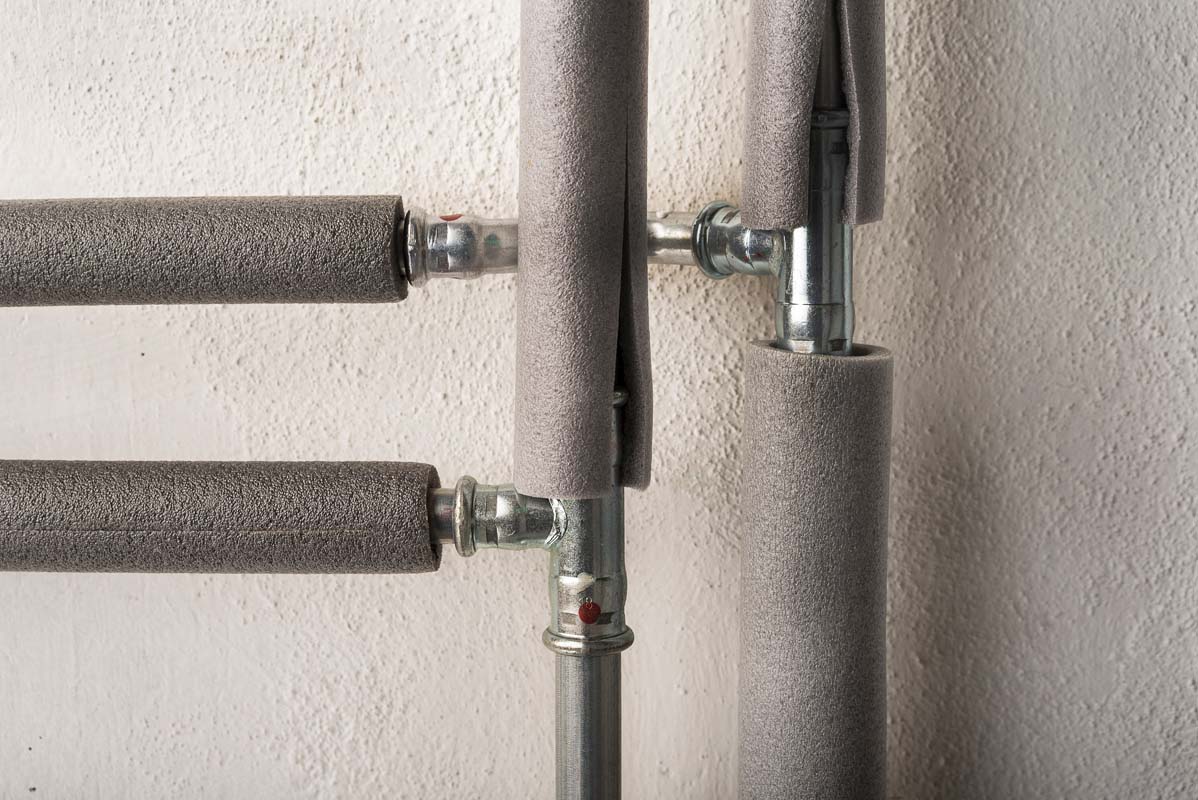
Even in White Rock’s mild coastal climate, pipes are still vulnerable to freezing temperatures and energy loss. When pipes are left uninsulated, homeowners risk costly damage, higher energy bills, and reduced efficiency in their plumbing systems.
Knowing which pipes to insulate ensures a home is prepared for seasonal changes and long-term performance.
Cold Water Pipes in Unheated Areas
Cold water pipes that run through unheated spaces such as basements, crawl spaces, attics, and garages are at the highest risk of freezing. When temperatures drop, these pipes can quickly become brittle and crack, causing major water damage. Insulation keeps the temperature stable and prevents this problem before it begins.
In addition, condensation often builds on cold pipes, leading to moisture that drips onto flooring or framing. Over time, this can cause mold growth and damage to a home’s structure. Insulating pipes in these areas not only prevents freezing but also controls condensation. The most important cold-water lines to insulate include:
- Pipes in unheated basements or crawl spaces
- Exposed plumbing in attics or garages
- Outdoor water supply lines leading to spigots or hose bibs
Hot Water Pipes for Energy Efficiency
Hot water pipes may not freeze, but they are a major source of heat loss in many homes. As hot water travels from the tank to taps or appliances, it gradually cools down if the pipes are not insulated. This means more energy is used to maintain the desired temperature, and homeowners end up paying more on utility bills.
By insulating hot water pipes, water stays warmer for longer and reaches fixtures faster. This saves both time and money, while also reducing unnecessary strain on the water heater. In larger homes, where hot water often travels across multiple floors, the energy savings become even more noticeable. The most common hot water lines to insulate include:
- Pipes that carry water from the tank to upper-level bathrooms
- Long pipe runs connecting kitchens or laundry rooms
- Hot water lines running through unheated crawl spaces or exterior walls
Pipes Along Exterior Walls
Even inside finished living spaces, plumbing along exterior walls can be vulnerable. Older White Rock homes in particular may have limited wall insulation, leaving pipes exposed to drafts. Insulating these pipes creates an extra barrier that reduces both freezing risks and heat loss.
Kitchens and bathrooms are common problem areas because cabinetry often conceals pipes against exterior walls. Homeowners can improve protection by insulating the plumbing behind cupboards, under sinks, and inside utility walls.
Outdoor and Seasonal Lines
Outdoor plumbing requires special attention. Garden spigots, irrigation lines, pool pipes, and lines to detached garages or workshops are often unheated and exposed to cold air. Even with shut-off valves in place, insulation provides an added layer of security against cracks and leaks. Simple foam covers for hose bibs and wraps for exposed lines are inexpensive solutions that prevent expensive repairs later.
Insult Your Pipes to Protect Your Home’s Plumbing
Insulating the right pipes is a simple yet effective way to protect a White Rock home. Cold water pipes in unheated spaces, hot water lines, exterior wall plumbing, and outdoor connections are the key areas that need attention.
Taking the time to add insulation in these places helps reduce the risk of frozen pipes, lowers energy bills, and improves everyday comfort.
Hilltop Plumbing & Heating Ltd. is a licensed bonded and insured plumbing and gas fitting company, proudly serving the White Rock and South Surrey area for over 50 years.
Trusted for over four decades, we have been providing plumbing & heating solutions, backed up by our guaranteed workmanship and parts warranty.